How I picked these
Five bottles I keep coming back to over years of pours, ranked by job: cocktails, sipping, beginners, the splurge. Rittenhouse is what I pour most for cocktails. Prices are typical shelf ranges, not a single retailer's.
Updated Sep 18, 2026
Most "best rye whiskey" lists fall into one of two traps. They're either retailer SEO listicles ranking 25 bottles nobody actually buys, or they're allocated-hype pieces telling you to chase WhistlePig 18 like it's the only rye worth drinking. The truth is simpler: five bottles cover almost everything you'd want from rye, and four of the five sit between $25 and $60.
My collection skews 90% bourbon and 10% rye. The rye in my bar isn't there for novelty. It does jobs bourbon can't do, and the bottles below are the ones I keep coming back to over years of pours. None of them are unicorns. All of them are worth buying.
This guide ranks the five rye whiskeys I'd actually recommend in 2026, with picks for beginners, the budget shopper, the cocktail builder, and the rye fan who wants something heavier. There's also a short section on "best rye bourbon" for anyone who wants rye spice without leaving bourbon entirely.
Before the bottles: get the glass right
Rye rewards the right glass more than bourbon does — the pepper and dried-herb notes live in the upper aromatics, and a tulip-shaped glass is what actually captures them. Here's the upgrade path, from the glass I use for 90% of my pours to the crystal endpoint.
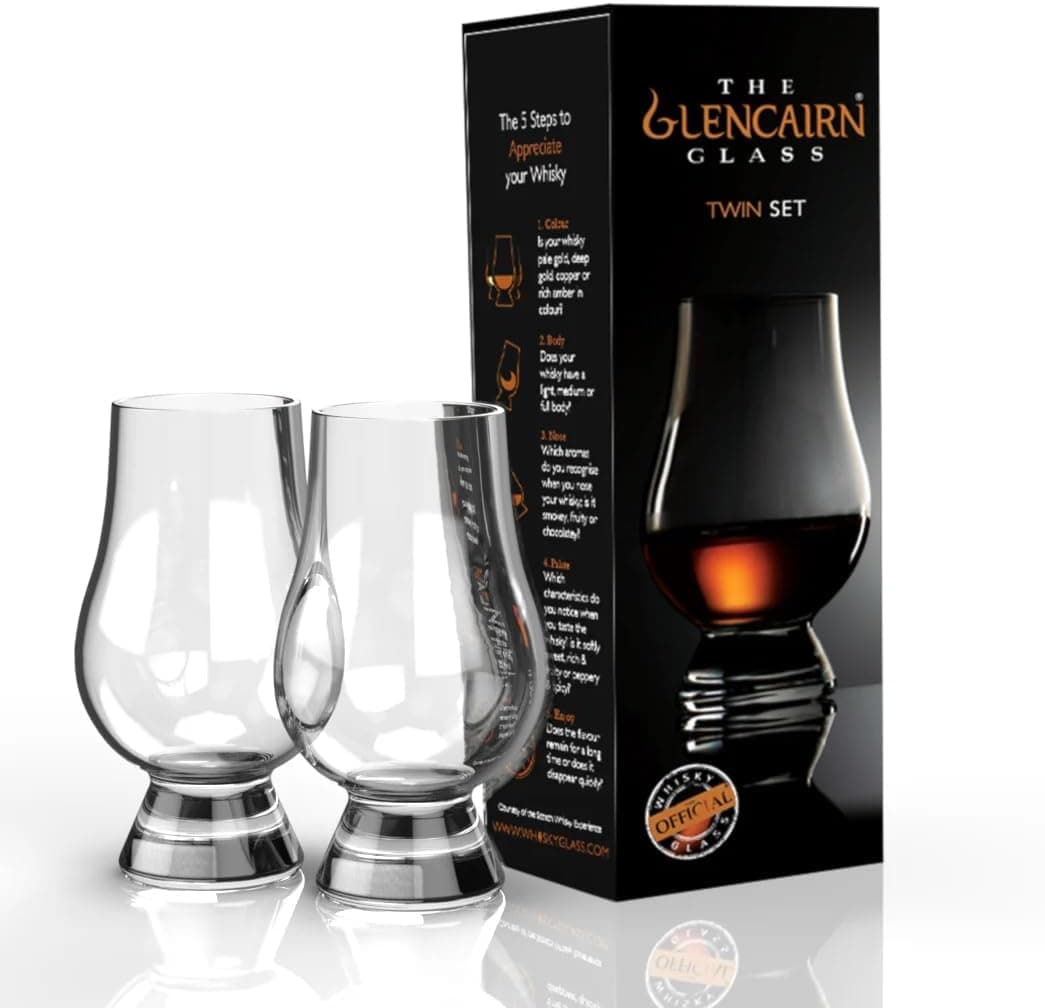
Glencairn Whisky Glass (Set of 2)
The tasting glass a 150-bottle collector reaches for 90% of the time. The tulip bowl concentrates aroma — the single biggest upgrade to any pour.
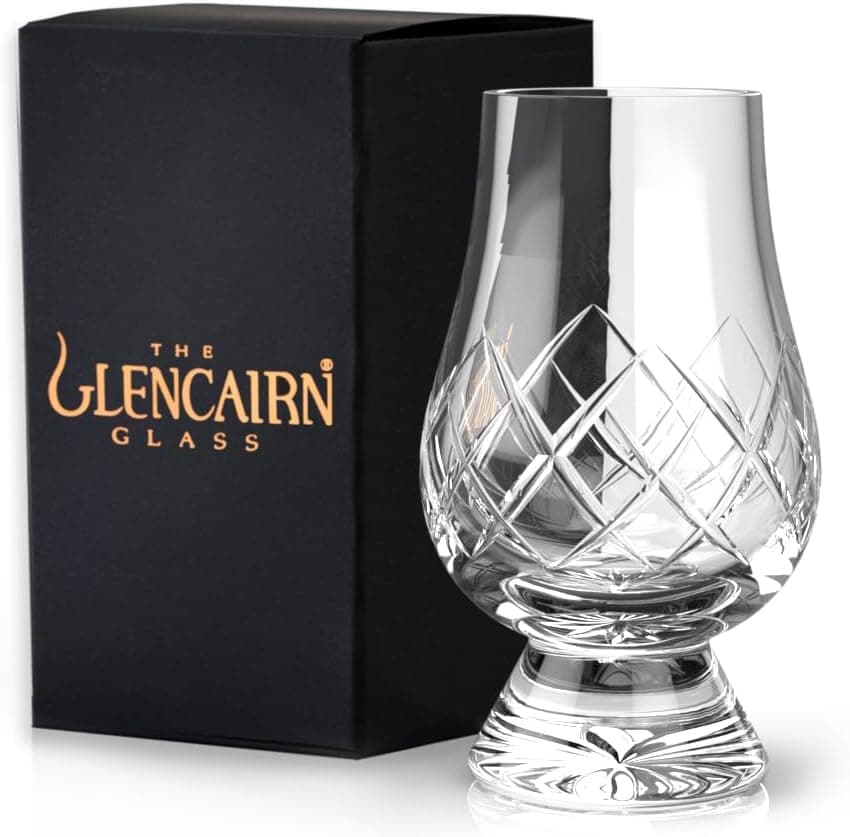
Premium Glencairn Glass in Gift Carton
The same iconic Glencairn shape in a presentation gift carton — the splurge version of our best-selling glass, gift-ready out of the box.
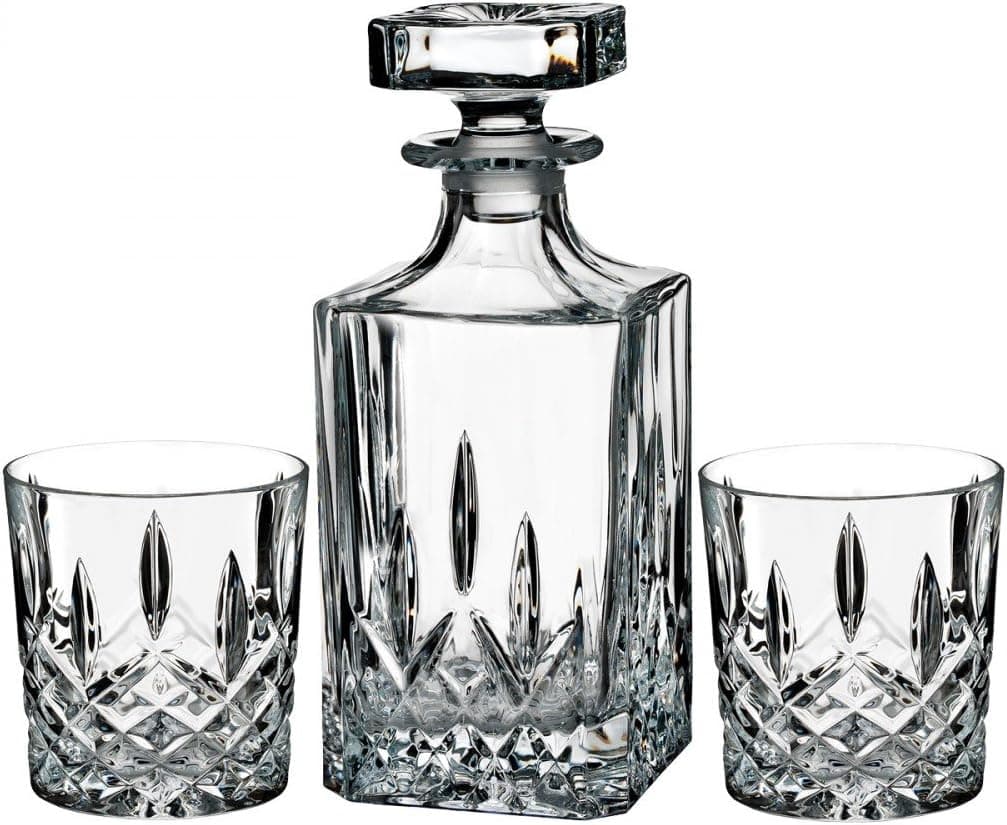
Marquis by Waterford Markham Square Decanter Set
Lead-free crystal decanter with four matching glasses. The safest premium gift — brand recognition that carries weight on its own.
Not ready to commit to a full bottle yet? A guided sampler is the fastest way to taste rye's range before you buy.
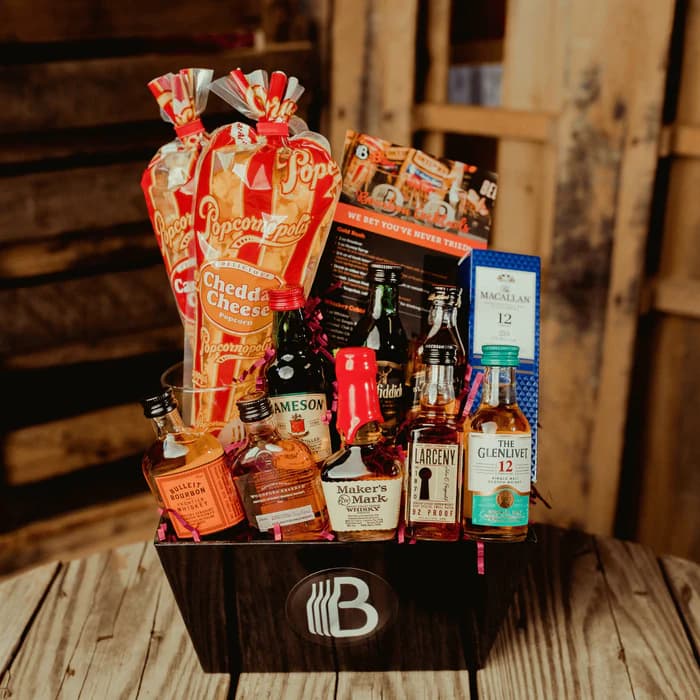
The Ultimate Whiskey Sampler Gift
A guided flight of whiskey minis — bourbon, Scotch, and Irish side by side — for the drinker still figuring out what they love. The gift that starts a conversation about styles, not just brands, and ships in one box.
The five rye whiskeys worth buying in 2026
Here's the full lineup at a glance. Every bottle below earns its spot for a specific job — the sections that follow explain each pick.
| Bottle | Proof | Price | Best for |
|---|---|---|---|
| Bulleit Rye | 90 | $28-32 | First bottle, everyday pours, any cocktail |
| Rittenhouse Rye BIB | 100 | $28-32 | Manhattans and Old Fashioneds |
| Sazerac Rye | 90 | $35-40 | The classic Sazerac, easy sipping |
| Bulleit 12 Year Rye | 92 | $50-60 | Slow neat pours |
| Jack Daniel's SB Barrel Proof Rye | 125-135 | $80-100 | Full-proof enthusiasts |
Best overall: Bulleit Rye
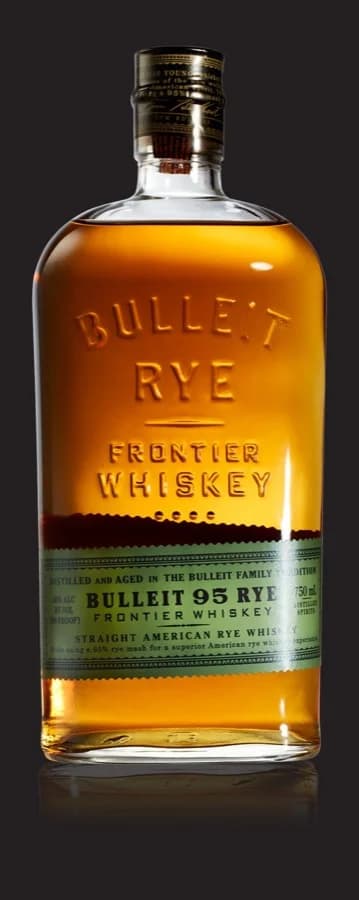
Bulleit Rye
A 95% rye mashbill, one of the highest in American whiskey, bottled at 90 proof. Bulleit Rye is the cleanest expression of what rye actually is. Pepper, clove, and dried mint up front, with a dry, herbal finish. Available almost anywhere bourbon is sold.
Bulleit Rye is the bottle I hand a bourbon drinker who says they don't like rye. Most of the time they've only had a rough rye, and Bulleit's clarity makes the category click. The 95% rye mashbill is doing real work here. There's no corn softness hiding the spice, so what you're tasting is the grain itself.
Best for cocktails: Rittenhouse Rye Bottled-in-Bond
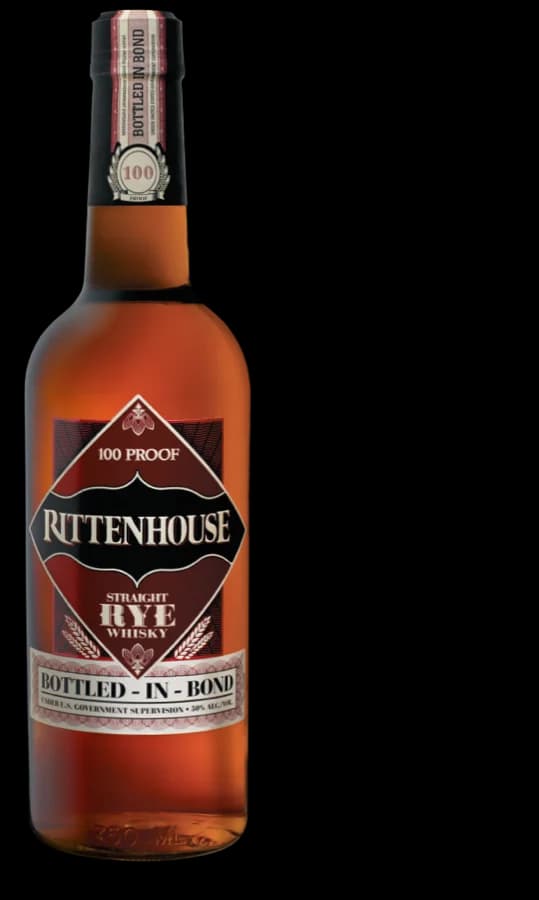
Rittenhouse Rye Bottled-in-Bond
A 100-proof Bottled-in-Bond rye from Heaven Hill. The BIB designation means it comes from a single distillery in a single distilling season, aged at least four years, bottled at exactly 100 proof. Full-bodied, peppery, and assertive, with dried fruit, baking spice, and a long dry finish.
Rittenhouse is the bottle I pour most often when I'm building a cocktail. The proof matters more than people realize. If you've ever made a Manhattan with a softer rye and felt like the vermouth was running the drink, swapping in Rittenhouse fixes it immediately. It's the closest thing the category has to a benchmark cocktail rye.
Best for the classic Sazerac: Sazerac Rye
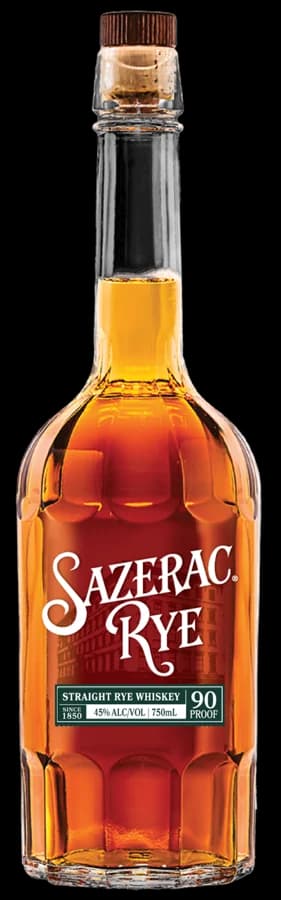
Sazerac Rye
Made by Buffalo Trace Distillery and bottled at 90 proof. Sazerac leads with cinnamon and clove, softens through caramel and citrus, and finishes dry with restrained pepper. Balanced and approachable in a way that 100-proof ryes aren't, without losing rye character.
Sazerac Rye is the bottle that originally made me pay attention to rye. I had my first proper Sazerac cocktail at the Sazerac House in New Orleans, which is essentially a free museum and tasting room dedicated to the brand. The pours are generous and the staff knows the history cold. If you're ever in the French Quarter, it's an hour well spent. Allocation can be tight in some markets, so if you see it on the shelf at retail price, grab it.
Best for sipping: Bulleit 12 Year Rye
Bulleit 12 Year Rye
A 12-year-aged rye at 92 proof from the same 95% rye mashbill as standard Bulleit Rye. The extra age rounds the spice into something deeper and more layered. Toasted oak, dried fruit, baking spice, and a long, integrated finish. The pepper note from the standard expression is still there, just softer and more woven into the whole.
This is my daily sipper when the night calls for rye. Standard Bulleit Rye is a workhorse. Bulleit 12 is the version of that workhorse that earned a deeper finish through ten extra years in oak. The price puts it firmly in splurge-when-you-want-to territory rather than everyday-pour territory, but it's the bottle I refill most consistently in my rye lineup.
Best splurge: Jack Daniel's Single Barrel Barrel Proof Rye
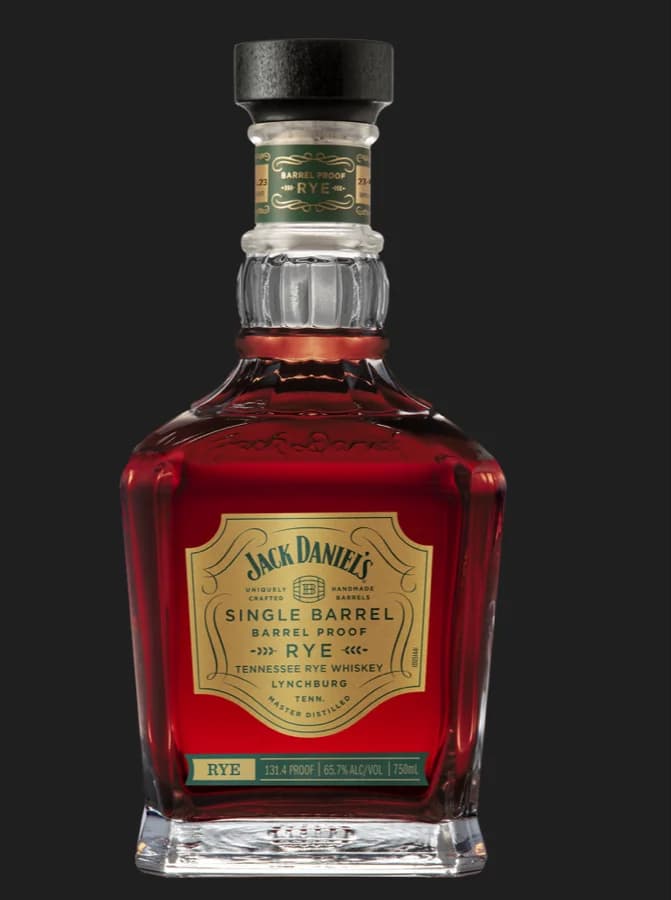
Jack Daniel's Single Barrel Barrel Proof Rye
A single-barrel, barrel-proof rye from Jack Daniel's, typically bottling between 125 and 135 proof depending on the barrel. Made with a 70% rye mashbill and run through Jack's signature charcoal mellowing before barreling. Each bottle is its own thing thanks to the single-barrel pull, but expect intense rye spice, oak char, and a long, hot, layered finish.
Jack Daniel's gets dismissed as a tourist whiskey because their flagship Old No. 7 is everywhere (and because of a long-running argument over whether Jack Daniel's is even a bourbon). The single barrel barrel-proof rye is a different conversation entirely. It's a barrel-proof rye at $80-100 in a category where comparable proof points usually run $120 and up. If you want to taste what rye is doing at full strength, this is the bottle to start with.
Best rye whiskey for beginners
If you're brand new to rye, start with Bulleit Rye or Rittenhouse Rye. Either one. Both sit in the $28-32 range, both are widely available, and both are approachable enough to sip while still being assertive enough to make a real cocktail.
The difference between them is small. Bulleit is the cleaner expression of pure rye character thanks to the 95% mashbill. Rittenhouse runs hotter at 100 proof and is built more for cocktails. If your first sip is going to be neat, Bulleit is slightly easier on the palate. If you're going straight to making an Old Fashioned, Rittenhouse pulls ahead.
You don't need to overthink it. Buy one, drink half the bottle, then buy the other. After two bottles you'll have a strong instinct for what rye does in your glass and where you want to go next. The deeper guide to what rye whiskey actually is covers the legal definition, how spice differs from heat, and what "straight" means on a label.
Best rye whiskey under $30
The honest answer for a budget rye is the same as the beginner answer: Bulleit Rye or Rittenhouse Rye Bottled-in-Bond. Both routinely sit between $25 and $30 depending on your market. Both are excellent. There's no version of "spend less on rye" that lands you somewhere better than these two.
A few generic store-brand or unbranded ryes float around at $15-20. They're fine for cocktails if you're cost-cutting in volume, but they don't have the character that makes the $28 tier worth the spend. Five extra dollars per bottle gets you something you'll actually want to drink neat too. That math isn't close.
If you're stocking a home bar from scratch, buy both. Pour Bulleit when you're sipping and Rittenhouse when you're building a Manhattan. You'll spend less than $60 total and cover the full range of what rye does.
Best rye for Manhattans and Old Fashioneds
For a Manhattan, my default is Rittenhouse Rye Bottled-in-Bond. The 100 proof carries through the sweet vermouth without flattening out. Bulleit Rye works beautifully too, especially if you want a more aromatic version of the drink. Sazerac is a touch too balanced for Manhattans in my opinion. It tastes good but doesn't push back hard enough against the vermouth.
For a rye Old Fashioned, I usually reach for Bulleit Rye. The 95% rye mashbill cuts through the sugar and bitters cleanly, and the result is a drier, spicier Old Fashioned than you'd get from a bourbon build. Rittenhouse also works and produces a slightly hotter, more cocktail-bar version of the drink.
Both of those drinks get built and stirred, not just poured, which is where most people end up dirtying a mixing glass and a jigger they didn't plan on washing.
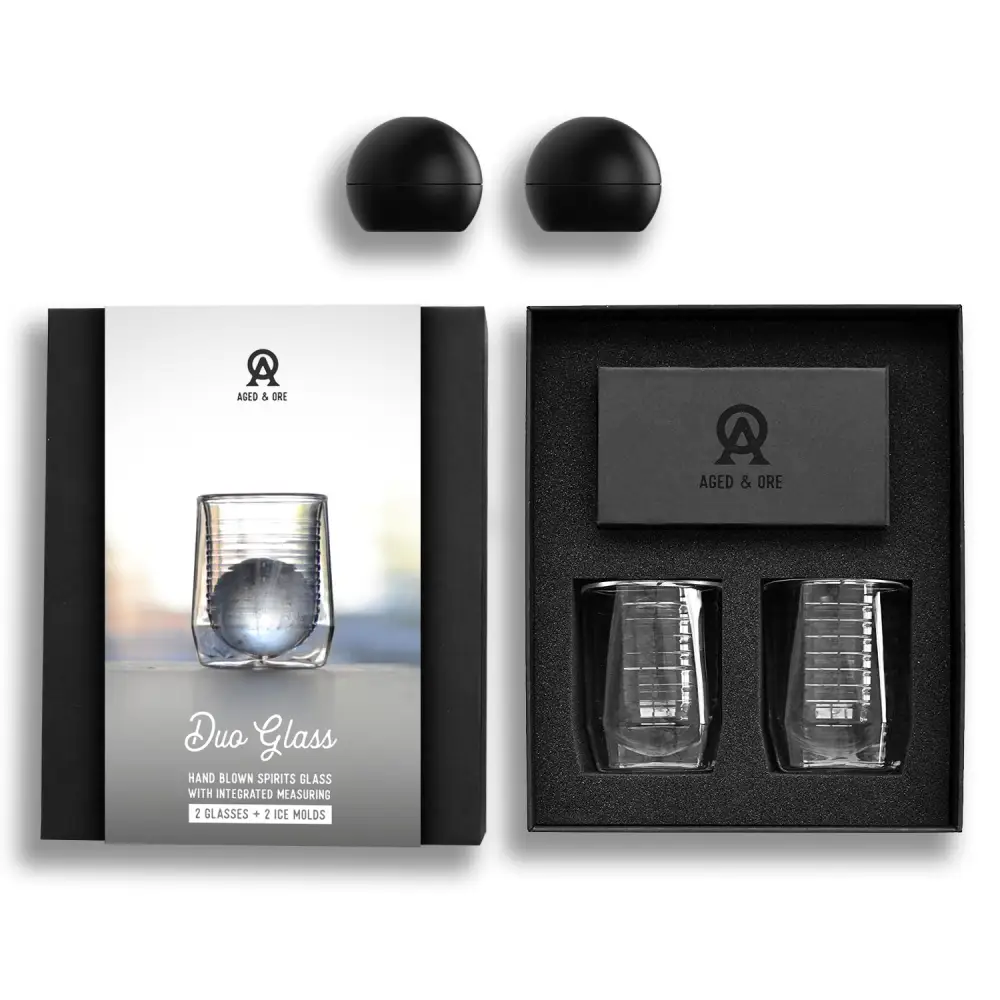
Aged & Ore Duo Glass (2 Glasses + 2 Ice-Ball Molds)
A hand-blown, double-wall borosilicate glass that insulates without needing a coaster and is shaped to cradle a large ice ball — the included silicone molds make one. Built-in 1oz measuring lines let you mix an Old Fashioned directly in the glass.
For the bourbon side of the Old Fashioned question, the best bourbon for Old Fashioneds guide covers the bourbon picks I rank against rye for that specific cocktail. Rye versus high-rye bourbon in an Old Fashioned is one of the better experiments to run side by side at home.
"Best rye bourbon": when you want rye spice in a bourbon
This is a category confusion worth clearing up. "Rye whiskey" means at least 51% rye in the mashbill. "High-rye bourbon" means a bourbon (so at least 51% corn) with a higher rye percentage in the remaining mashbill, usually 20-35%. They taste different, and they're not interchangeable.
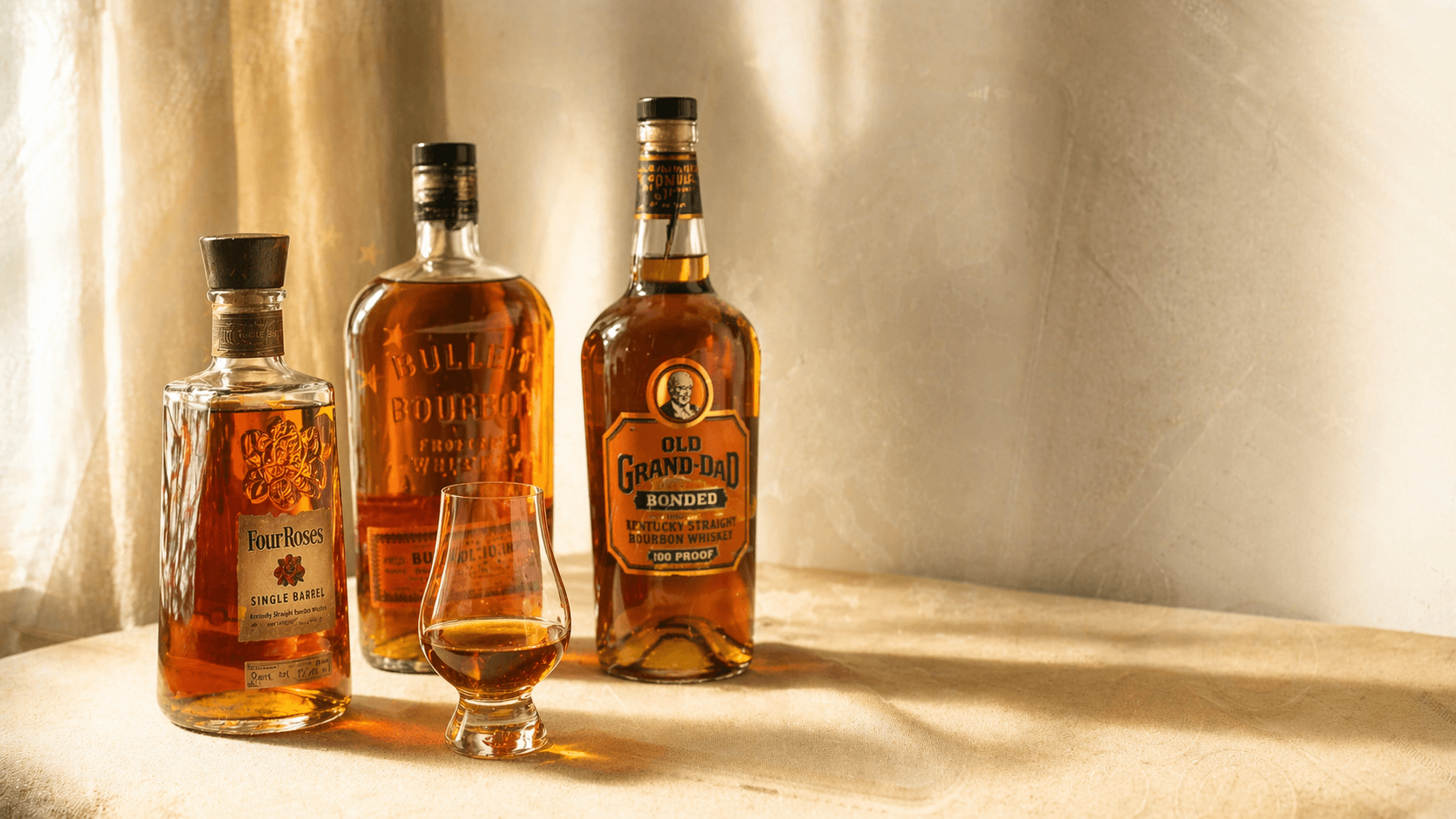
If you like rye spice but want bourbon's underlying sweetness, three high-rye bourbons cover almost the whole range. Four Roses Single Barrel is the best overall pick. Complex, balanced, and consistently excellent. Bulleit Bourbon is the everyday workhorse and an exceptional cocktail base. Old Grand-Dad Bonded is the best value in the category at under $25, with a 100-proof BIB profile that punches well above its price.
For the full breakdown of high-rye bourbon, including which one to choose for which use case, see the high rye bourbon guide. It's the natural next read if you want bourbon that drinks closer to rye.
The right glass for rye
A good glass actually matters more for rye than for bourbon. The pepper, dried herb, and clove notes that define rye live in the upper aromatics. A tulip-shaped Glencairn concentrates those aromas at the rim, where you nose them before the sip. A standard tumbler doesn't.
Glencairn Whisky Glass (Set of 2)
The standard tasting glass used by distillers and bourbon enthusiasts worldwide. The tulip shape funnels aromas toward the nose. With rye, that's especially useful because the spice and herb notes are easy to miss in a wider glass. Dishwasher safe and effectively unbreakable in normal use.
If you already own a Glencairn — and if you've read this far into a rye guide, you probably do — a second one is a redundant gift to yourself. This is the alternative I'd reach for instead: same aroma-concentrating shape, hand-blown crystal, and genuinely different enough to be worth owning both.
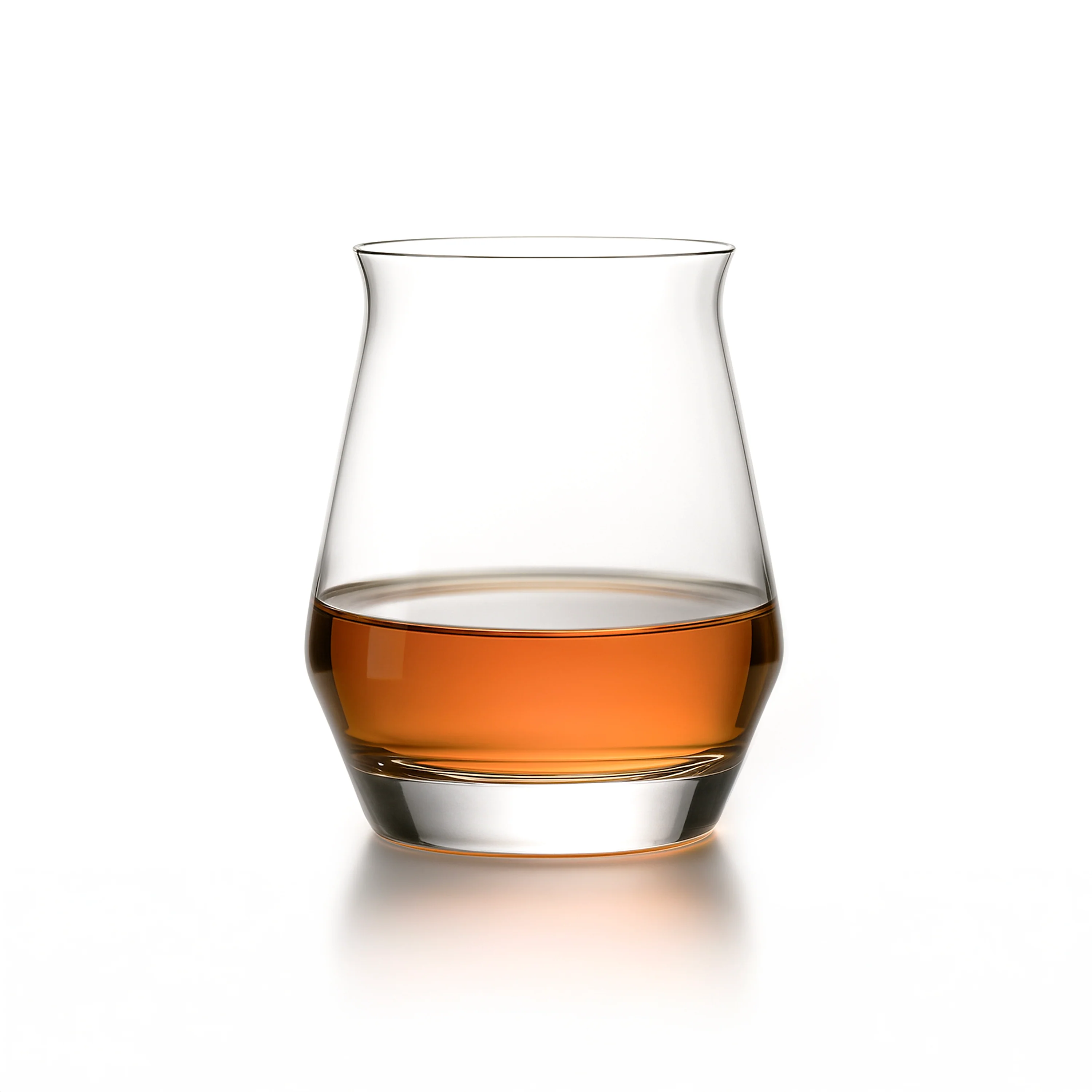
Aged & Ore Neat Glass
A hand-blown, lead-free crystal neat glass with a narrowed mouth that concentrates aroma and a flared lip built for a comfortable sip. Most bourbon drinkers already own a Glencairn — this is the upgrade almost nobody has.
For rye cocktails, a heavy rocks glass with a single large ice cube or sphere is the move. The slow melt protects the spirit's structure, which matters more in rye drinks than in most other cocktails because the spice character softens fast under dilution. Our rocks and Old Fashioned glasses guide covers the full lineup, including the Duo Glass above.
Where to go from here
If you've never bought rye before, start with one bottle of Bulleit Rye and a Glencairn glass. Pour two ounces, let it sit for a minute, nose it before you sip. You'll taste pepper before sweetness, dried herbs before vanilla, a dry finish instead of a round one. That's rye doing what bourbon can't.
Once you've worked through one bottle, the natural next moves are Rittenhouse for cocktails, Sazerac for the namesake drink, and Bulleit 12 when you want a step up for sipping. That's three months of rye exploration covered for under $130 in bottles.