How I picked these
Definitions follow the federal standards. Bottle picks are from my own shelf, with Rittenhouse as the one I pour most for cocktails; the Sazerac note comes from a visit to the Sazerac House in New Orleans.
Updated Jul 31, 2026
If you've ever poured a rye whiskey and thought "this is hot," you probably weren't wrong — but you might've been confusing two different things. Rye whiskey is spicy. Under-aged or over-proofed whiskey is hot. They can taste similar at first. They're not the same.
Learning to tell them apart is most of what it takes to appreciate rye. The spice in a good rye is black pepper, cinnamon, dried herbs, and a dry finish that lingers. It's a flavor, not a sensation. Once you can name it, rye opens up, and you start to understand why it was America's original whiskey before Prohibition knocked it down and bourbon took over.
This guide breaks down what rye whiskey actually is, what "straight" means on the label, how it tastes compared to bourbon, and the three bottles I'd put in front of anyone starting out.
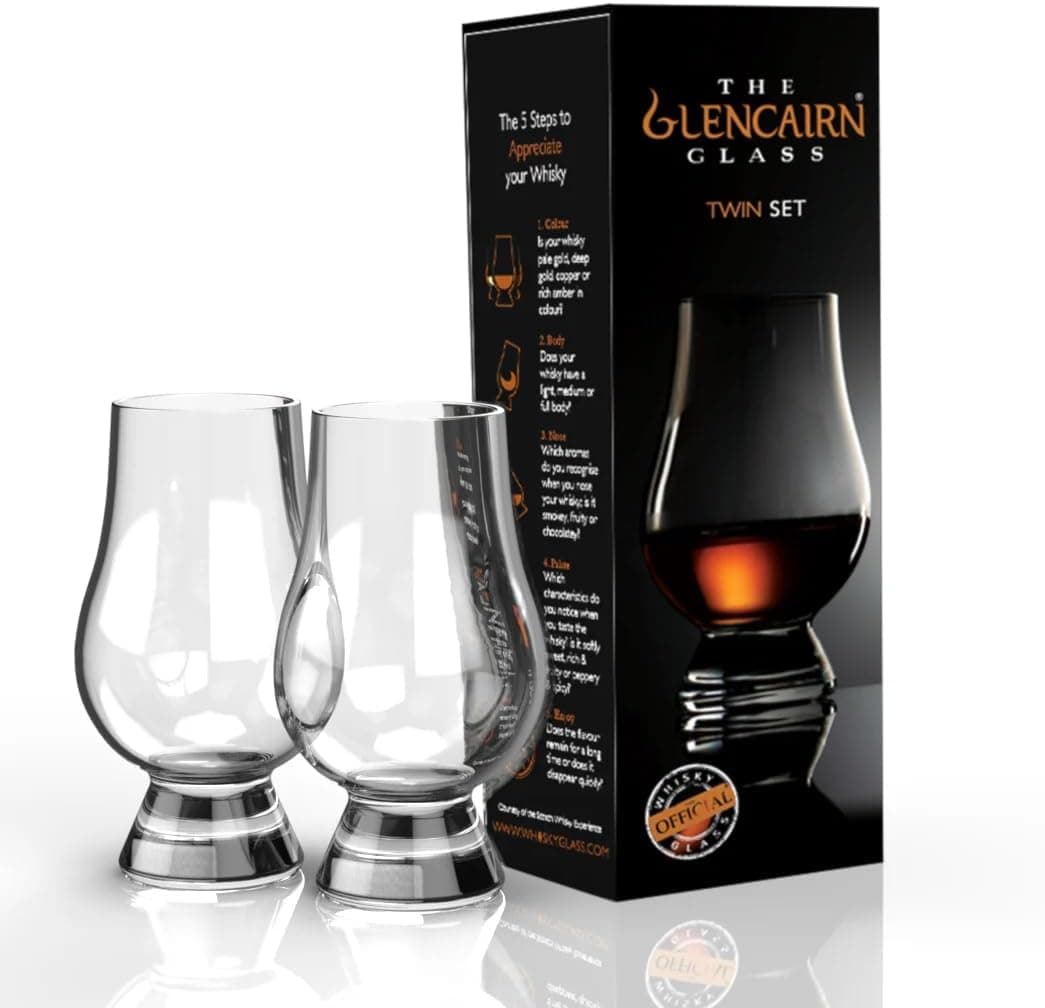
Glencairn Whisky Glass (Set of 2)
The tasting glass a 150-bottle collector reaches for 90% of the time. The tulip bowl concentrates aroma — the single biggest upgrade to any pour.
What "straight rye whiskey" actually means
Rye whiskey is a legally defined category in the US, and "straight rye" has an even tighter definition. If a bottle says "Straight Rye Whiskey" on the label, it has to meet all of these TTB requirements:
- At least 51% rye grain in the mashbill
- Distilled at no more than 160 proof
- Aged in new charred oak barrels
- Entered into the barrel at no more than 125 proof
- Aged for at least two years (that's what "straight" adds)
- Bottled at 80 proof or higher
- No added coloring, flavoring, or other spirits
That last line matters more than people realize. Straight rye whiskey can't have caramel coloring, glycerin, or "natural flavors" added. The flavor in the glass is entirely from the grain, the yeast, the barrel, and time. It's the same "no additives" rule that applies to straight bourbon, and it's the single cleanest quality signal on a whiskey label.
If you see "Rye Whiskey" without "straight," it might be younger than two years, or it might contain added coloring or flavoring. Not automatically bad, but a less conservative bet for someone learning the category.
Rye whiskey vs. Canadian rye
One common source of confusion: Canadian whisky is often called "rye" by Canadians and by older drinkers in the US, but Canada's labeling rules aren't the same as the American 51% rule. A few Canadian whiskies (Crown Royal Northern Harvest Rye is the best-known example) do have high rye content. Most of what's marketed as "rye" in Canada is a blended whisky with a smaller rye percentage. They're good whiskies in their own right. They're just not the same category as American straight rye.
How rye whiskey tastes: spice, not burn
The single biggest thing to know about rye, and the thing most beginners get wrong, is the difference between spice and heat.
Spice is a flavor. It's what rye grain contributes: black pepper, cinnamon, cloves, caraway, dried mint, and a dry, savory finish. You taste it on the palate and it lingers on the way down.
Heat is a sensation. It's what under-aged or over-proofed alcohol does to your throat. No flavor, just sting.
A well-made rye whiskey is spicy without being hot. A cheap, poorly-made rye can feel hot, and then your brain labels it "spicy" by association. This is why people say they don't like rye after trying one bad pour, and it's the main thing I try to correct when someone asks.
Rye is spicy. Bourbon is sweet. If a pour feels like it's burning your throat, that's not spice. That's just a bad bottle.
Bourbon, by comparison, leads with sweetness. Corn contributes vanilla, caramel, brown sugar, and a rounder, softer finish. Even a high-proof bourbon tends to taste sweet before it tastes anything else. A high-proof rye leads with pepper and herb.
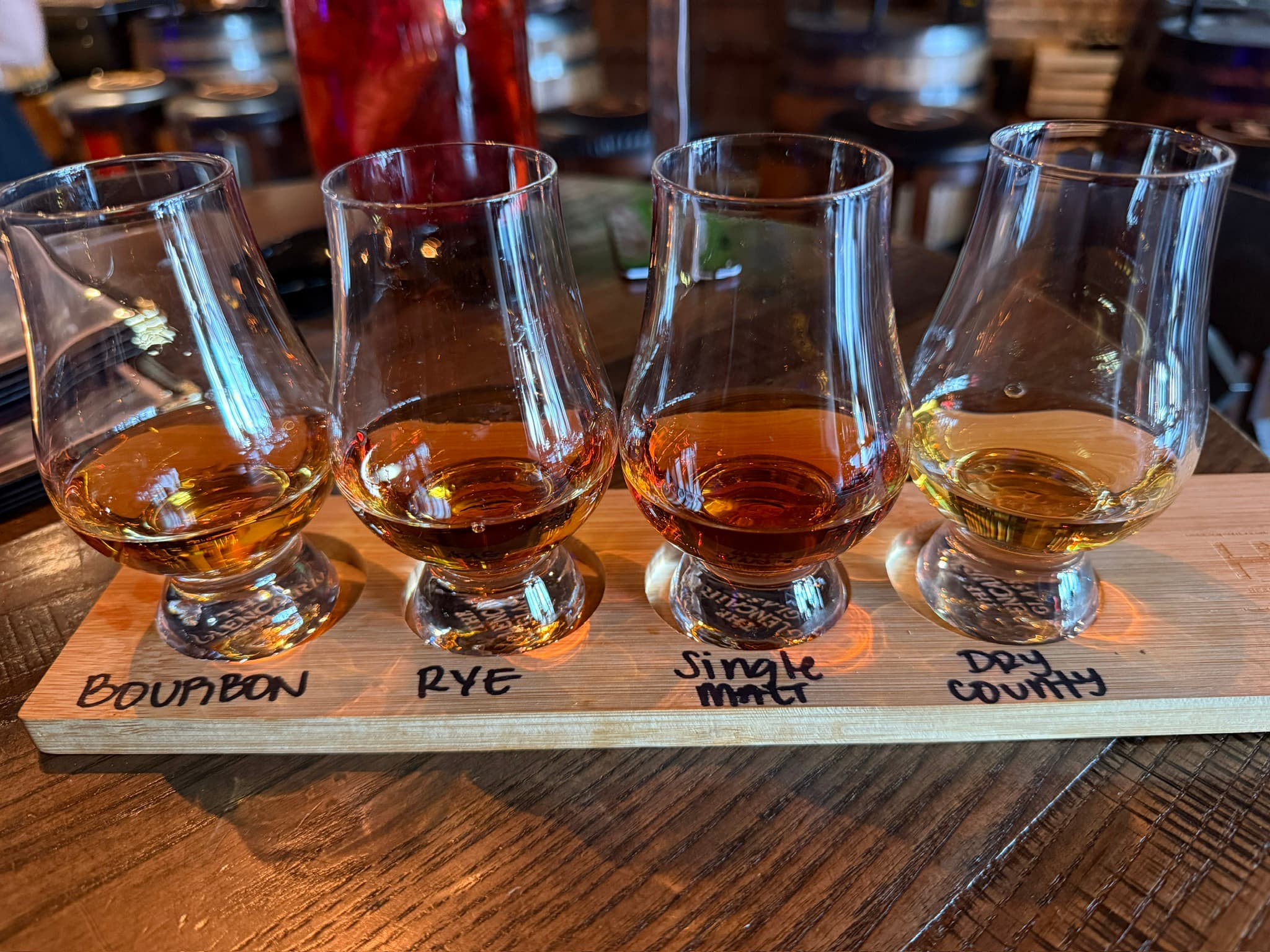
Once you taste a good rye side-by-side with a good bourbon, the difference is obvious. Rittenhouse next to Buffalo Trace, or Bulleit Rye next to Bulleit Bourbon, will do the job. The rye comes in dry and peppery. The bourbon comes in sweet and rounded. Neither is better. They're different answers to different questions.
The three rye whiskey bottles worth knowing
You don't need to spend much to get excellent rye whiskey. The category's sweet spot sits between $25 and $40, and there are three bottles that belong in almost every home bar.
Sazerac Rye: the classic
Sazerac Rye
Made by Buffalo Trace Distillery, Sazerac Rye is the modern benchmark for classic American rye whiskey. Bottled at 90 proof, it leads with cinnamon and clove up front, softens into citrus and caramel through the middle, and finishes dry with a gentle pepper bite. Balanced and approachable without losing its rye character.
Sazerac Rye is the bottle that made me a rye drinker. I tried my first Sazerac cocktail at the Sazerac House in New Orleans, which is essentially a free museum, tasting room, and gift shop dedicated to the brand and the cocktail. It walks you through the full history of rye whiskey in America, including the role New Orleans played in creating one of the country's first cocktails. If you're ever in the French Quarter, it's an hour well spent, and the pours are generous.
Rittenhouse Rye: the cult favorite
Rittenhouse Rye Bottled-in-Bond
Made by Heaven Hill, Rittenhouse is a 100-proof Bottled-in-Bond rye that punches dramatically above its price. The BIB designation means it's from a single distillery in a single distilling season, aged at least four years, and bottled at exactly 100 proof. Full-bodied, peppery, and distinctly spicy, with dried fruit and a long, dry finish.
Rittenhouse is the rye I pour most often for cocktails. The 100 proof matters. It pushes through sweet vermouth in a Manhattan and balances the sugar in an Old Fashioned without going flabby. If you're going to build one serious cocktail bottle into your bar, this is the one.
Bulleit Rye: the high-rye workhorse
Bulleit Rye
Made with a 95% rye mashbill, one of the highest in the category. Bulleit Rye is intensely rye-forward: pepper, clove, and dried mint up front, with a dry, herbal finish. Clean, consistent, and bottled at 90 proof. The high mashbill means every note tastes like rye rather than a softer grain blend.
Bulleit Rye and Bulleit Bourbon are poured from different recipes, but the brand has quietly become one of the most reliable values in American whiskey. The rye in particular is the one I hand a friend who says they don't like rye. It's almost always that they've only tried a bad rye, and Bulleit's clarity makes the category click.
Rye whiskey in cocktails
Rye is a cocktail whiskey by nature. Before Prohibition, rye dominated American whiskey, which is why most of the classic pre-Prohibition cocktails (the Manhattan, the Old Fashioned, the Sazerac, the Whiskey Sour) were originally rye cocktails. Bourbon replaced rye in most of these after Prohibition simply because it was more available afterward. Rye is the original ingredient.
Manhattan
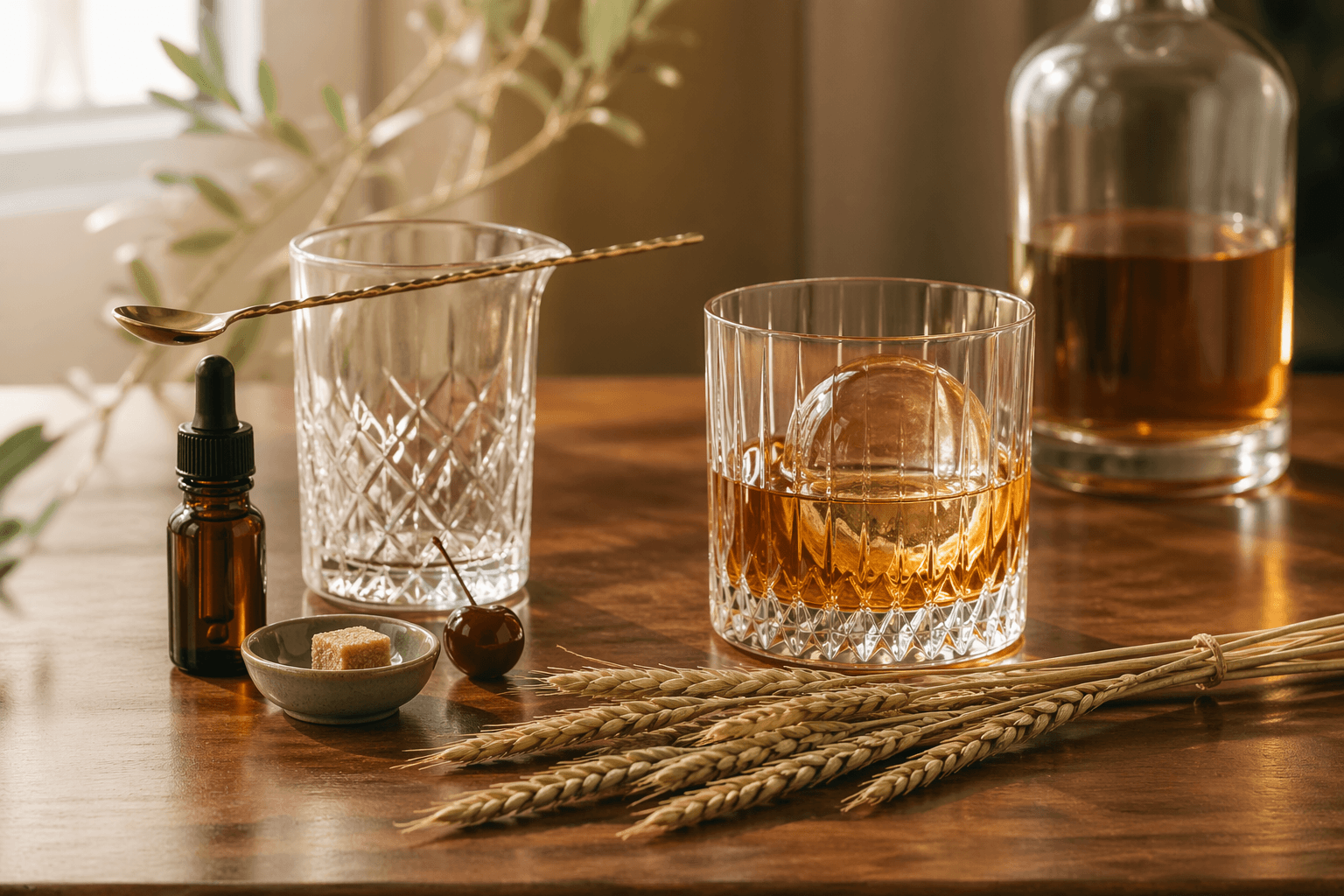
The Manhattan is the clearest argument for rye whiskey. Two ounces of rye, one ounce of sweet vermouth, two dashes of Angostura, stirred, strained, cherry. The sweet vermouth needs a spicy whiskey to push against. A softer bourbon can leave the drink cloying. Rye keeps it defined.
Rittenhouse at 100 proof is my default Manhattan rye. Bulleit Rye works beautifully. Sazerac Rye is slightly too balanced for this cocktail in my opinion. It tastes great, but it doesn't assert as strongly as the BIB and high-rye options.
Old Fashioned
Same logic as the Manhattan. The sugar and bitters in an Old Fashioned benefit from a spicy whiskey that can hold its own. For a complete breakdown of how rye and high-rye bourbons perform in this cocktail, see the best bourbon for Old Fashioneds guide.
Sazerac
The Sazerac is New Orleans' signature cocktail and the original cocktail built specifically for rye whiskey. Traditional recipe: rye, Peychaud's bitters, sugar, and an absinthe rinse on the glass. Sazerac Rye is the correct bottle both historically and in practice.
Rye vs. bourbon: how to choose
Neither is better. They're different tools for different moments.
| Category | Straight Rye | Bourbon |
|---|---|---|
| Mashbill requirement | At least 51% rye | At least 51% corn |
| Flavor profile | Spicy, dry, peppery, herbal | Sweet, round, vanilla, caramel |
| Best for cocktails | Manhattan, Old Fashioned, Sazerac, Whiskey Sour | Mint Julep, Boulevardier, softer builds |
| Best for sipping | Drinkers who like assertive, dry profiles | Drinkers who like sweet, approachable profiles |
| Starter bottles | Sazerac, Rittenhouse, Bulleit Rye | Buffalo Trace, Wild Turkey 101, Knob Creek |
| Price range | $28-40 for excellent bottles | $25-40 for excellent bottles |
The simplest way to decide: if you want sweetness and softness, reach for bourbon. If you want spice and structure, reach for rye. If you're building a Manhattan or a Sazerac, always reach for rye. For a side-by-side on the broader category question, the bourbon vs. whiskey guide covers how both fit into the wider whiskey world.
The right glass for rye
A good glass makes rye taste better. The tulip shape of a Glencairn concentrates the aromas at the rim, which helps you pick up the pepper and herb notes before the first sip. For cocktails, a heavy rocks glass holds a single large ice cube without diluting too fast.
Glencairn Whisky Glass (Set of 2)
The standard tasting glass used by distillers and bourbon enthusiasts. The tulip shape funnels aromas toward the nose, which matters more with rye than with bourbon. You'll pick up the pepper and dried herb notes before you sip, which frames the whole experience. Dishwasher safe and nearly unbreakable.
For a complete tasting setup, a large-format ice mold is the other accessory worth owning. A single two-inch sphere or cube melts slowly enough that the whiskey opens up without getting watered down, which matters more in rye cocktails than in most other drinks.
Where to go from here
If you're new to rye, buy one of the three bottles above (Sazerac, Rittenhouse, or Bulleit) and a set of Glencairns. Pour two ounces, let it sit for a minute, and nose it before you sip. You'll taste spice before sweetness, pepper before caramel, and a dry finish instead of a round one. That's rye. For the full ranked lineup beyond those three starters, see our best rye whiskey guide.
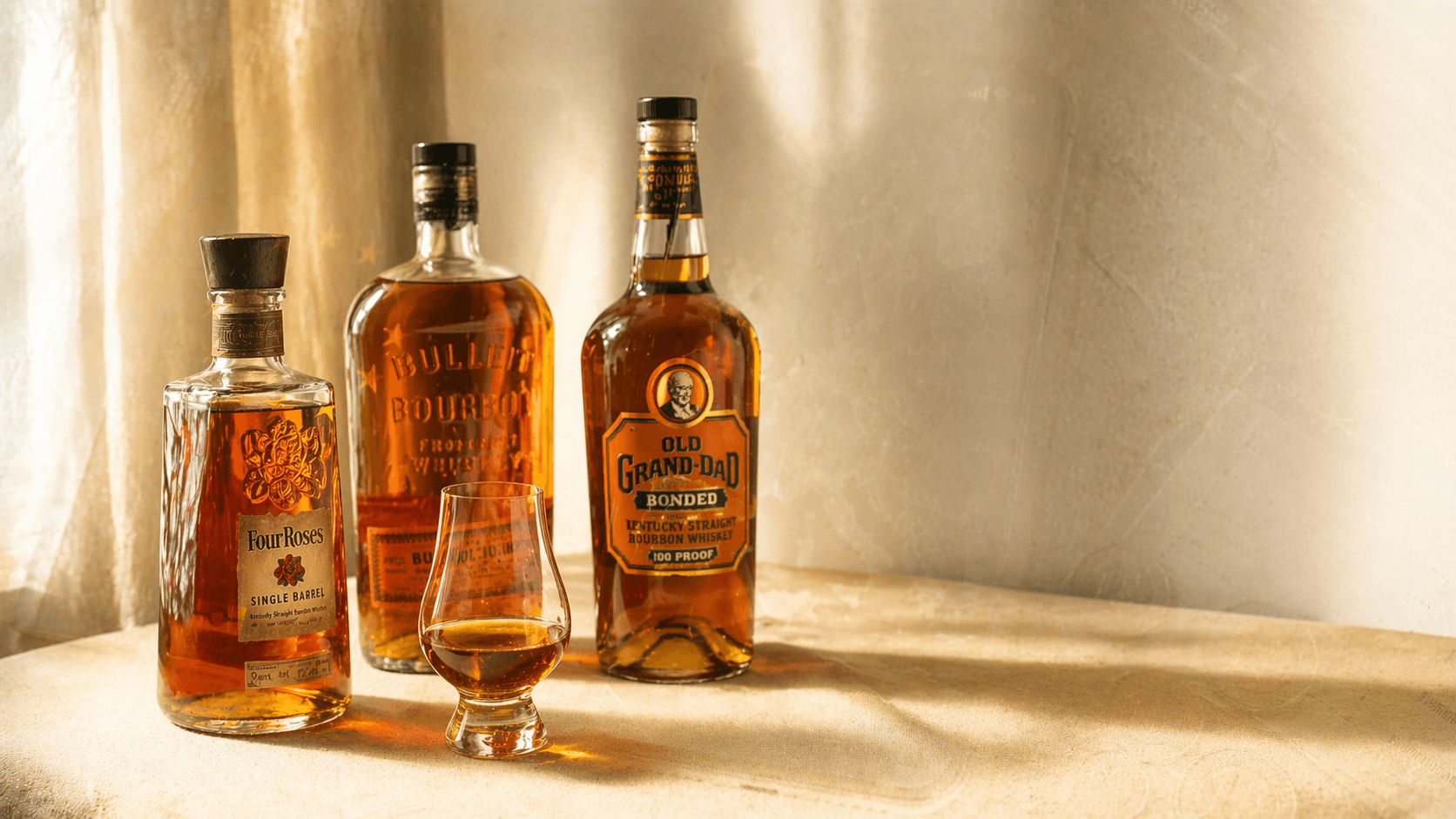
If you already drink bourbon and want a bridge into rye, try a high rye bourbon first. Four Roses Single Barrel or Bulleit Bourbon use enough rye in their mashbills that the transition feels natural. It's the same spice character expressed at a lower percentage.