How I picked these
Written from the bourbon side of the shelf: a 150+ bottle collection that's mostly bourbon and rye with a handful of Scotch. Scotch picks were chosen for a bourbon drinker's palate, not as a Scotch expert's ranking.
Updated Jul 31, 2026
Here's the thing most bourbon people get told and quietly believe: scotch is the smoky stuff that tastes like a campfire, and you either get it or you don't. That's wrong, and it's keeping a lot of bourbon drinkers away from whiskey they'd genuinely love.
Bourbon and scotch are siblings. Same basic process, same family of flavors, different rules and different traditions. If you already know what you like in a bourbon, you have everything you need to find your way around scotch. You just need to know what's actually different and where to start.
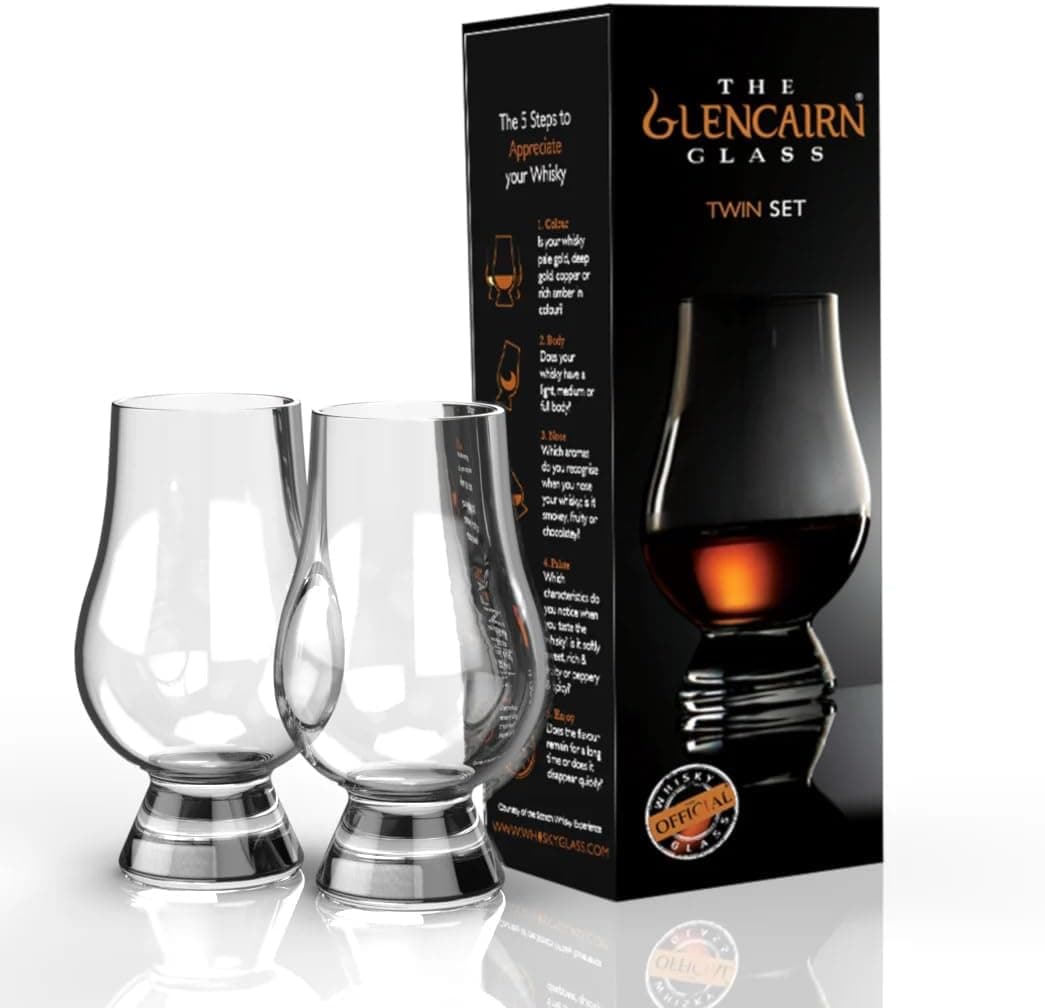
Glencairn Whisky Glass (Set of 2)
The tasting glass a 150-bottle collector reaches for 90% of the time. The tulip bowl concentrates aroma — the single biggest upgrade to any pour.
The core difference, in plain terms
Both are whiskey: fermented grain, distilled, aged in oak. The split comes down to three things.
Grain. Bourbon leads with corn, which is where that signature sweetness comes from. Single malt scotch is made entirely from malted barley, which runs drier, maltier, and more cereal-forward.
Place and rules. Bourbon has to be made in the U.S. under a specific set of federal requirements. Scotch has to be made in Scotland, aged at least three years, with its own set of rules. Two countries, two rulebooks, two flavor traditions.
Barrels. This is the big one, and it's the difference most bourbon drinkers feel before they can name it.
| Bourbon | Scotch | |
|---|---|---|
| Where | United States | Scotland |
| Main grain | Corn (51%+) | Malted barley (single malt) or grain blends |
| Barrel | New charred oak, used once | Reused oak, often ex-bourbon or ex-sherry |
| Minimum age | None (2 years for straight bourbon) | 3 years |
| Typical proof | 80-130+ proof | 80-92 proof for most bottles |
| Flavor signature | Sweet, vanilla, caramel | Malty, dried fruit, sometimes smoke |
Why scotch tastes different to a bourbon palate
Bourbon is legally required to use new charred oak barrels, and each barrel gets used exactly once. All that fresh, charred wood dumps vanilla, caramel, and that toasted-sugar sweetness straight into the spirit. It's a big part of why bourbon tastes like bourbon.
Scotch almost always ages in barrels that have already held something else. A huge share of scotch sits in ex-bourbon barrels, the very ones American distilleries are done with after one use. Some ages in ex-sherry casks, which is where a lot of scotch picks up its dark fruit and dessert-like richness.
Used barrels give up their wood sugars more gently. So scotch leans on the grain and the cask history instead of a wall of new-oak vanilla. That's not a downgrade. It's a different lever, and once you taste for it, the whole category opens up.
What about the smoke?
The campfire thing is peat, and here's the part nobody tells bourbon drinkers: most scotch isn't smoky at all. Peat is a regional choice, concentrated heavily on the island of Islay. The Speyside and Highland whiskies most people start with carry little or no smoke. If you've written off scotch because of one peaty pour someone handed you, you tried the most polarizing corner of the category first.
Single malt vs blended, quickly
Two labels trip up newcomers. Single malt means malted barley from one single distillery. Blended scotch mixes malt whisky with lighter grain whisky, often from several distilleries. Blended doesn't mean cheap or bad. It just means built for consistency and smoothness rather than showcasing one distillery's character. For getting to know the category, single malts tell you the most about what scotch actually does.
If you like bourbon, start here
This is the section I wish someone had handed me. The fastest way for a bourbon drinker to fall for scotch is to start with sweet, rich, sherried and ex-bourbon-cask bottles. They speak the language your palate already knows: dried fruit, honey, vanilla, baking spice. Save the smoke and the bone-dry stuff for later.
I'm a bourbon drinker first, and these are the bottles I point bourbon people to when they want to cross over. One note before you read the proofs: most scotch sits around 80 to 92 proof, gentler than the barrel-proof bourbon you might be used to. That's by design, and it makes these easy to sip neat.
Glenmorangie The Original 10 Year
A Highland single malt aged entirely in ex-bourbon casks at 40% ABV. Light, honeyed, and citrusy, with vanilla and a soft floral note. Because it sits in the same barrels bourbon comes out of, it's the most natural bridge bottle there is.
Aberlour 12 Double Cask Matured
A Speyside single malt aged in both ex-bourbon and ex-sherry casks at 40% ABV. Raisin, toffee, baking spice, and a soft, rounded finish. The double-cask approach gives you sweetness from the bourbon barrels and dried-fruit richness from the sherry.
GlenDronach 12 Original
A Highland single malt matured in a mix of ex-sherry casks at 43% ABV. Rich and full, with dark fruit, fudge, dark chocolate, and a long spiced finish. This is sherried scotch turned up, and it's the closest scotch gets to a bourbon drinker's idea of dessert in a glass.
The Macallan Double Cask 12 Year
A Speyside single malt aged in both American and European oak sherry-seasoned casks at 43% ABV. Honey, citrus, orange, and a smooth, balanced finish. The recognizable name, and an easy, polished pour that lives up to it.
Start sweet and sherried, skip the smoke, and scotch stops feeling like a foreign language.
How to actually taste the difference
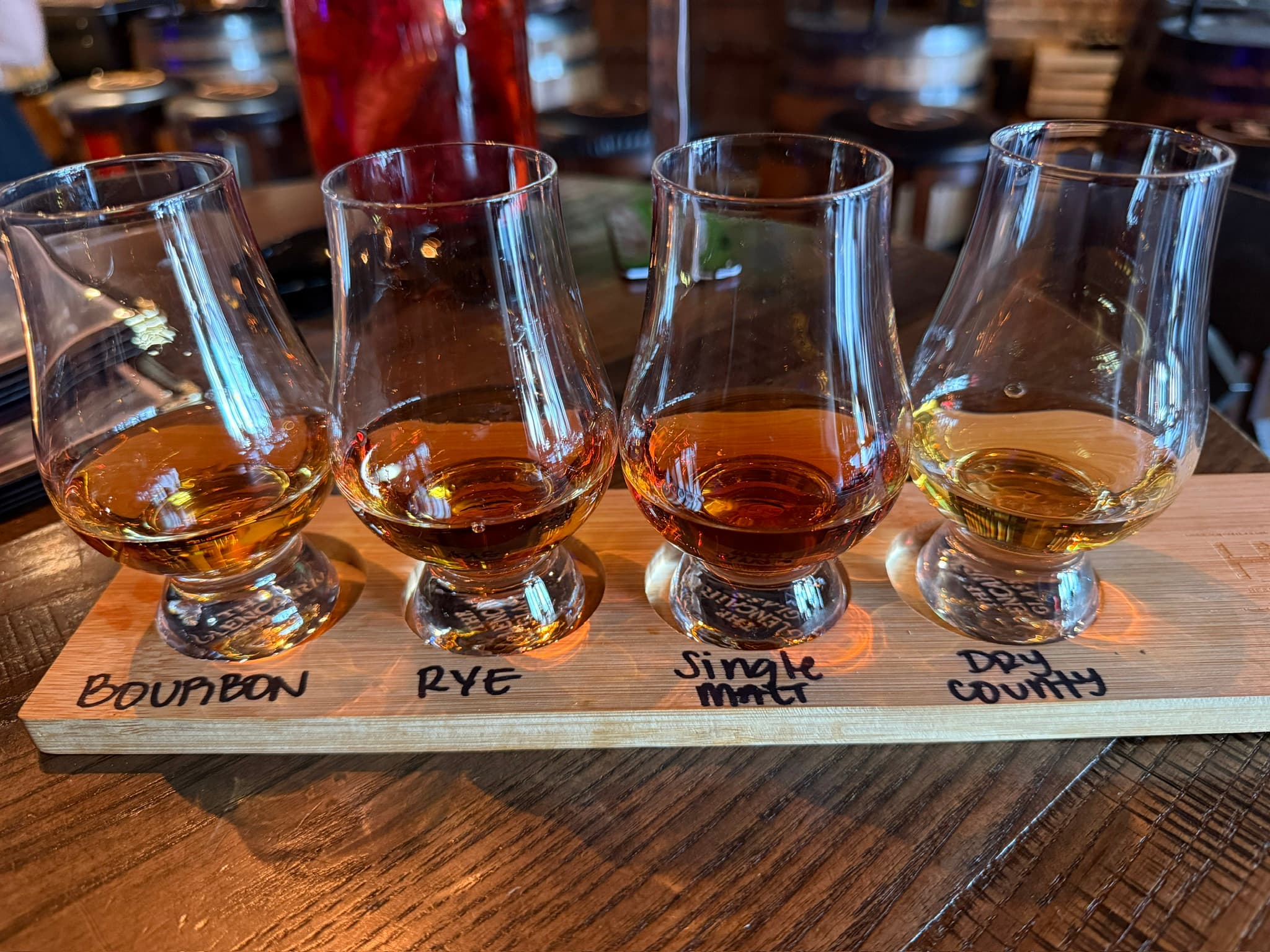
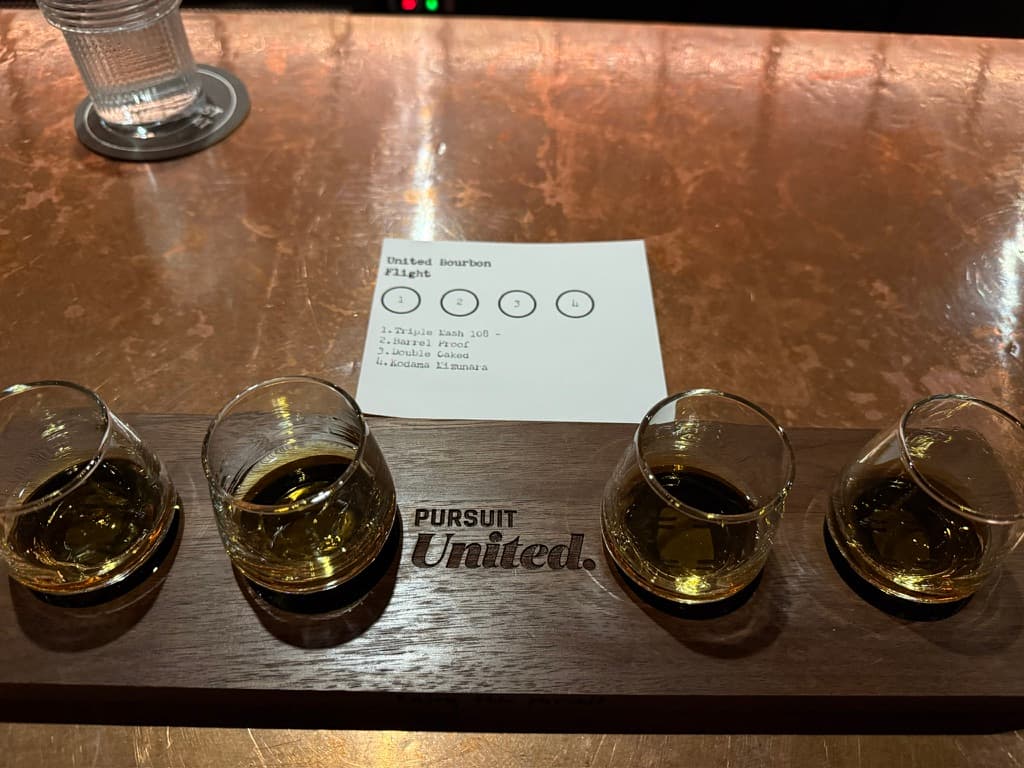
The fastest way to understand bourbon vs scotch isn't reading about it. It's pouring them side by side. Get a bourbon you know well and one of the bottles above, use the same glass for both, and go back and forth. You'll feel the new-oak sweetness of the bourbon against the maltier, fruitier scotch within two sips.
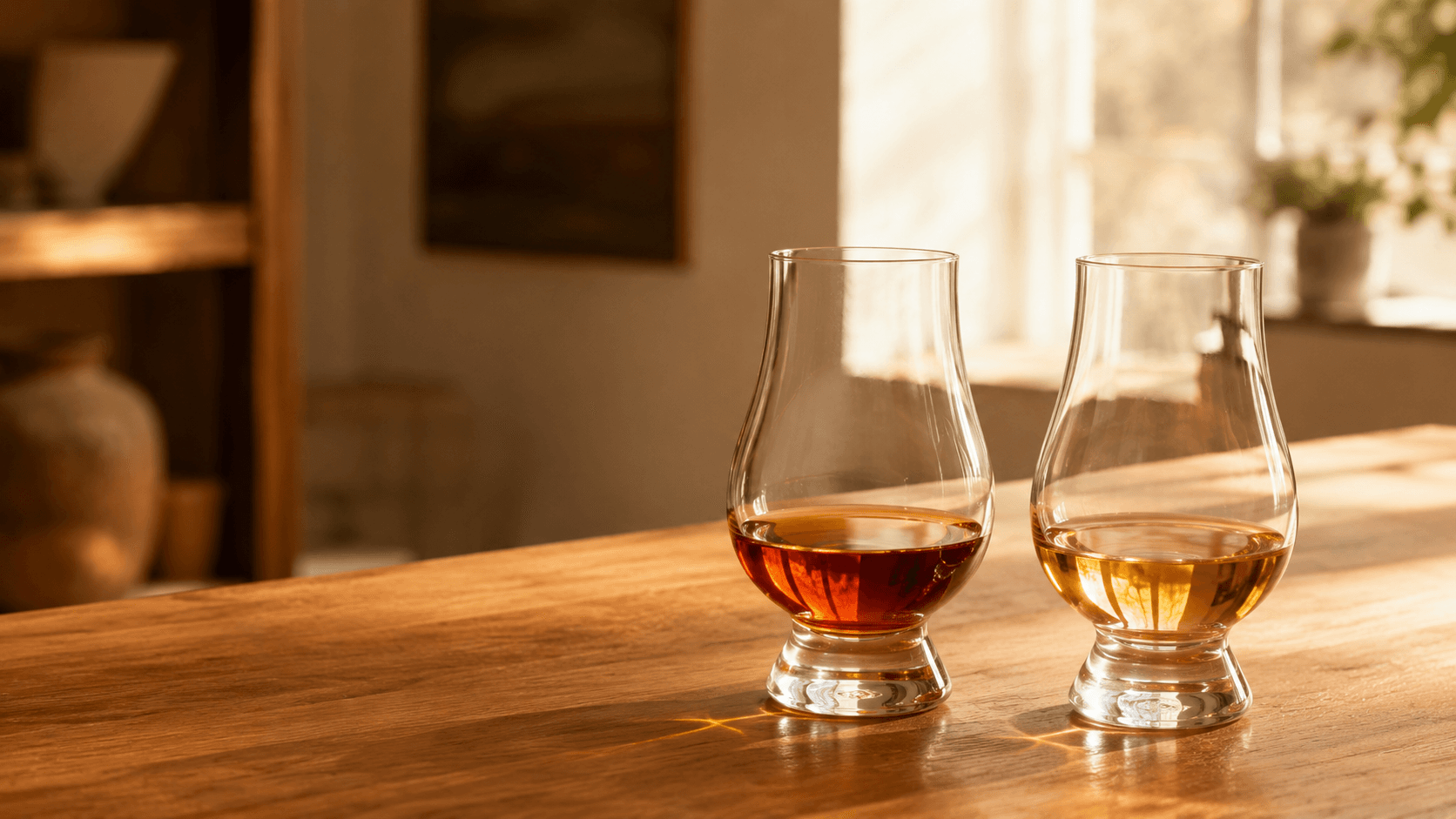
Use a proper tasting glass for this. The tulip shape concentrates the aromas, and aroma is where most of the bourbon-vs-scotch difference actually lives.
Glencairn Whisky Glass (Set of 2)
The tasting glass a 150-bottle collector reaches for 90% of the time. The tulip bowl concentrates aroma — the single biggest upgrade to any pour.
When you try a scotch for the first time, give it three small sips before deciding. The first primes your palate, the second gives you the real flavor, and the third is where the finish shows up. Bourbon drinkers sometimes judge a scotch on sip one and miss the whole point.
Frequently asked questions
- Is bourbon or scotch stronger?
- Bourbon is usually higher proof. Most scotch is bottled around 80 to 92 proof, while bourbon ranges from 80 proof up past 130 for barrel-proof releases. If you're used to barrel-proof bourbon, most scotch will feel gentler, not stronger.
- Why is bourbon sweeter than scotch?
- Two reasons. Bourbon is made mostly from corn, which is naturally sweet, and it's aged in new charred oak barrels that add heavy vanilla and caramel. Scotch uses malted barley and ages in reused barrels, so it leans drier and maltier.
- Does all scotch taste smoky?
- No. Smoke comes from peat, which is mostly an Islay tradition. The Speyside and Highland single malts most people start with have little or no smoke. If you don't want smoke, stick to bottles like Glenmorangie, Aberlour, GlenDronach, and Macallan.
- What scotch should a bourbon drinker try first?
- Start with sweet, sherried, or ex-bourbon-cask single malts. Glenmorangie 10 is the easiest bridge because it's aged in used bourbon barrels. From there, Aberlour 12 and GlenDronach 12 lean into the rich, dried-fruit sweetness bourbon drinkers tend to love.
- Is single malt better than blended scotch?
- Not better, just different. Single malt comes from one distillery and shows off its character. Blended scotch mixes malt and grain whiskies for a smoother, more consistent pour. For learning the category, single malts are more revealing.
Keep exploring
You don't have to pick a side. The best whiskey drinkers I know keep both bourbon and scotch on the shelf and reach for whichever fits the night.
- Still nailing down the basics? Our bourbon vs whiskey guide covers exactly what makes bourbon bourbon, and where every other style fits
- Want to taste like a pro? How to drink bourbon walks through glassware, water, ice, and the three-sip method that works just as well for scotch
- Curious about another American style? Our best rye whiskey guide breaks down the spicier, drier cousin of bourbon and the bottles worth buying